Backflow Replacement Service
Affordable Backflow Replacement
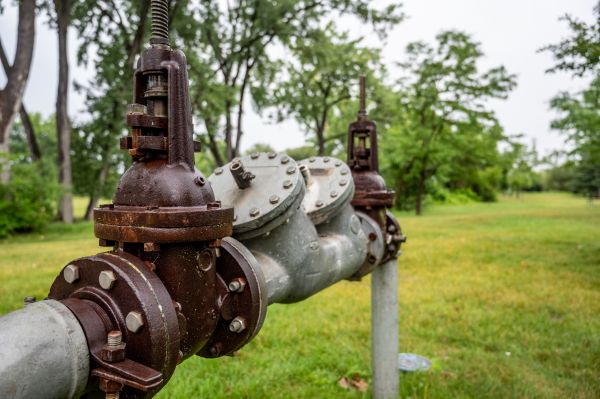
Backflow Replacement is a critical process for maintaining the safety and quality of a water supply system. When backflow occurs, contaminants from various sources can enter the potable water supply, posing a significant health risk. Over time, backflow prevention devices can wear out or become ineffective, necessitating replacement to ensure they continue to function correctly. Conducting timely backflow replacement helps prevent water contamination, protects public health, and complies with local regulations and standards.
Benefits of Backflow Replacement
-
Enhanced Water Safety
Replacing backflow prevention devices ensures that drinking water remains uncontaminated by harmful substances. This enhanced safety protects everyone who uses the water supply, from homeowners to businesses, by preventing pollutants from entering the system. -
Regulatory Compliance
Regular backflow replacement helps in adhering to local and national regulations regarding water safety. Compliance not only avoids potential fines and legal issues but also demonstrates a commitment to public health and safety standards. -
Improved System Efficiency
New and properly functioning backflow prevention devices can improve the overall efficiency of a plumbing system. By preventing reverse flows, these devices help maintain consistent water pressure and flow, reducing the likelihood of system failures or costly repairs. -
Long-term Cost Savings
Investing in backflow replacement can lead to significant savings over time. By preventing potential contamination and damage to the water system, property owners can avoid expensive emergency repairs and the associated downtime.
FAQs About Backflow Replacement
What is backflow and why does it occur?
Backflow is the unwanted reversal of water flow in a plumbing system, which can cause contaminants to enter the clean water supply. It occurs due to changes in water pressure, such as when a main breaks or a fire hydrant is opened.
How often should backflow devices be replaced?
Backflow prevention devices should be inspected annually, and replacement is generally recommended every five to ten years, depending on the type of device and local regulations.
Can I replace a backflow prevention device myself?
While some may attempt DIY replacement, it is advisable to have a certified professional perform the task to ensure proper installation and compliance with regulations.
What are the signs that a backflow device needs replacement?
Signs include reduced water pressure, unusual water taste or odor, and visible leaks or corrosion on the device. Regular inspections can help identify these issues early.
Fill out the contact form today to request Backflow Replacement and enjoy the peace of mind that comes with enhanced water safety, regulatory compliance, improved system efficiency, and long-term cost savings.