Gas Piping Service
Affordable Gas Piping Service
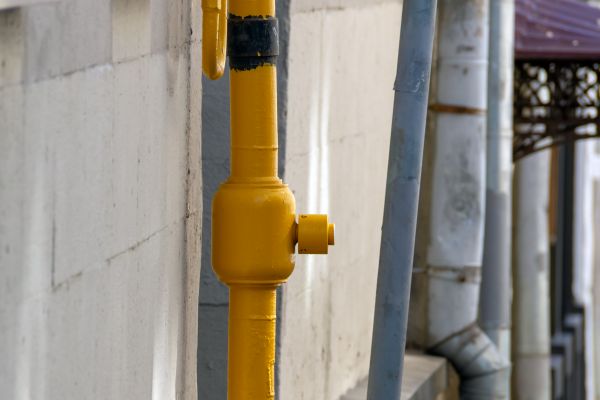
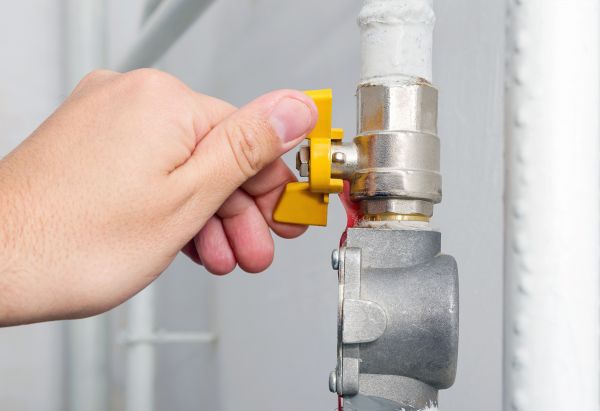
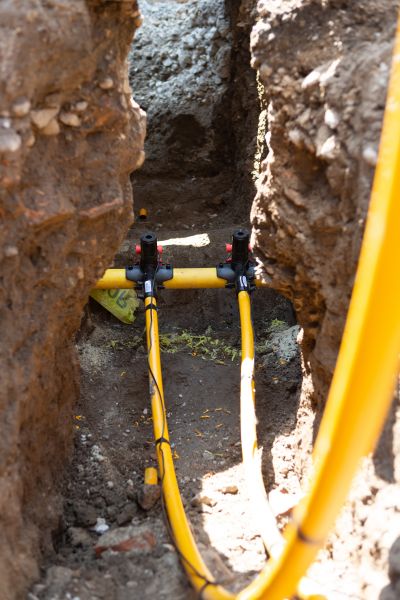
Gas piping service is a crucial aspect of maintaining a safe and efficient home or business environment. Proper gas piping ensures that natural gas or propane is delivered safely and efficiently to appliances such as stoves, water heaters, and furnaces. A well-installed and maintained gas piping system can prevent potential hazards such as leaks or carbon monoxide poisoning, which can pose serious health risks. Regular inspections and maintenance by skilled professionals can help identify and rectify issues before they become dangerous, providing peace of mind and ensuring the longevity of your gas appliances.
Benefits of Gas Piping Service
-
Safety Assurance
Professional gas piping services prioritize safety by ensuring that your gas lines are installed correctly and are free from leaks. Regular inspections can detect potential problems early, reducing the risk of gas leaks and carbon monoxide exposure, which can be hazardous to health and safety. -
Efficiency and Performance
Properly installed gas piping systems enhance the efficiency and performance of your gas appliances. When gas flows smoothly and without interruption, appliances operate more effectively, which can lead to reduced energy consumption and lower utility bills. -
Compliance with Regulations
Gas piping services ensure that your system complies with local codes and regulations. This compliance is essential not only for safety but also for avoiding potential fines or legal issues that can arise from non-compliance with building codes. -
Longevity of Appliances
A well-maintained gas piping system can extend the lifespan of your gas appliances. By ensuring that appliances receive the correct amount of gas and operate under optimal conditions, you can prevent premature wear and tear, saving on repair and replacement costs.
FAQs About Gas Piping Service
What is involved in a gas piping service?
A gas piping service typically includes the installation, repair, and maintenance of gas lines. This may involve inspecting existing lines for leaks, ensuring proper connections, and verifying that the system complies with local regulations.
How often should gas piping be inspected?
Gas piping should be inspected annually or whenever you suspect a problem. Regular inspections can help identify potential issues before they become serious hazards.
What are the signs of a gas leak?
Common signs of a gas leak include the smell of rotten eggs, hissing sounds near gas lines, or dead vegetation around the piping area. If you notice any of these signs, it is important to evacuate the area and contact a professional immediately.
Can I install gas piping myself?
Installing gas piping is not recommended as a DIY project due to the potential risks involved. It requires specialized knowledge and tools to ensure safety and compliance with regulations.
Fill out the contact form today to request professional Gas Piping Service. Enjoy the peace of mind that comes with knowing your gas system is safe, efficient, and compliant with all regulations.