Septic Plumbing Installation Service
Affordable Septic Plumbing Installation
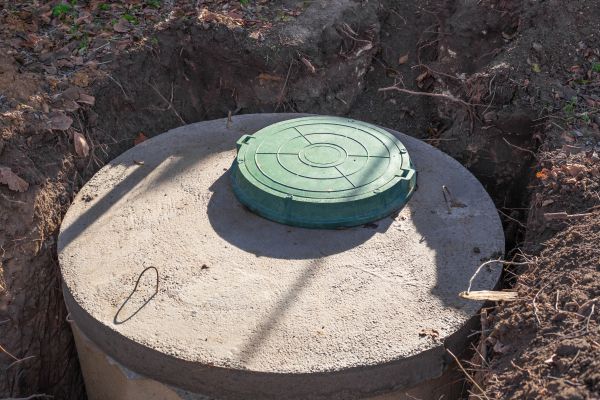
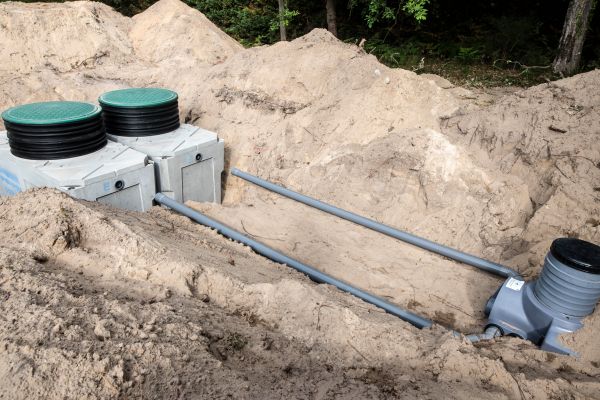
Septic plumbing installation involves setting up a system that manages and treats wastewater from your home or business, directing it safely into a septic tank and then into a drain field. This process is crucial for properties not connected to municipal sewer systems, ensuring that waste is effectively processed and does not contaminate the environment. Proper installation is essential to prevent leaks, backups, and other issues that can lead to costly repairs and environmental hazards.
Benefits of Septic Plumbing Installation
-
Environmental Protection
Septic systems treat wastewater on-site, significantly reducing the risk of pollution to local water sources. By properly managing waste, these systems help maintain clean groundwater and prevent harmful substances from entering the ecosystem. -
Cost Efficiency
Although the initial investment in a septic system can be significant, it eliminates monthly sewer bills, which can add up over time. Additionally, a well-maintained septic system can last for decades, offering long-term savings. -
Independence from Municipal Systems
Having a septic system provides autonomy from municipal sewer systems. This is particularly beneficial for properties in rural areas where connecting to city sewer lines might be impractical or impossible. -
Minimal Maintenance Requirements
With regular inspections and pumping every few years, septic systems require minimal maintenance, reducing the likelihood of unexpected breakdowns and ensuring smooth operation.
FAQs About Septic Plumbing Installation
How often should a septic system be inspected and pumped?
A septic system should typically be inspected at least once every three years and pumped every three to five years, depending on usage and tank size.
What are the signs that a septic system may need repairs?
Common signs include slow drains, unpleasant odors around the property, unusually green or lush patches of grass, and water pooling in the drain field area.
Can a septic system handle all types of waste?
Septic systems are designed to handle human waste and biodegradable materials. Non-biodegradable items, chemicals, and excessive grease can cause significant damage to the system.
What factors influence the cost of septic plumbing installation?
Several factors, including soil type, system size, and local regulations, can affect the overall cost of installation.
Fill out the contact form to request Septic Plumbing Installation today, and experience the benefits of a professionally installed system that offers environmental protection, cost efficiency, independence, and minimal maintenance.